Walking Tennis: What Is It, Who Can Play and Why Clubs Should Offer It
Updated: Sep 2
Tennis is a sport that can be enjoyed at any age and at many different levels. But what if you love tennis and want to keep playing without the running, jumping and fast pace of a traditional tennis match?

Walking Tennis could be the answer.
Walking Tennis is a slower-paced, modified form of tennis designed to make the game accessible to more people. Players walk rather than run, and rules such as allowing the ball to bounce twice give players more time to reach and return the ball.
It can be played competitively, socially or simply as a way to enjoy a friendly hit with other people. At Kent Tennis, we believe tennis should be open to everyone, and Walking Tennis is one of the ways the sport can be adapted to suit different needs, abilities and levels of experience.
WHAT IS WALKING TENNIS
Walking Tennis is a modified version of traditional tennis where players walk rather than run or jump. The aim is to reduce the physical demands of the game while retaining the skills, tactics and enjoyment of tennis.

The format was developed in Bristol, England, in the late 2010s. Inclusive tennis coach Helen Abbott began experimenting with a walking version of touch tennis in 2018 and subsequently worked with Peter Coniglio to develop Walking Tennis as a more structured format.
The game has since grown beyond Bristol, with Walking Tennis sessions now taking place at tennis clubs, leisure centres and community venues across Great Britain.
Walking Tennis is not a disability-specific form of tennis. While it can be particularly useful for people with reduced mobility, disabilities, long-term health conditions or those returning from injury, anyone can play Walking Tennis.
What are the rules of Walking Tennis?
Walking Tennis follows many of the same principles as traditional tennis, but some rules and equipment can be adapted to make the game slower and more accessible.
Common adaptations include:
No running or jumping: players must walk, with at least one foot remaining in contact with the ground.
Two bounces: players can allow the ball to bounce twice before returning it, giving them more time to reach the ball.
Smaller courts: a smaller court can be used, particularly for beginners or players with reduced mobility.
Modified equipment: shorter rackets or lower-compression balls can be used depending on the format.
Adapted scoring: sessions can use traditional tennis scoring or shorter formats depending on the players and the purpose of the session.

There is flexibility in how Walking Tennis is delivered. Clubs and coaches can adapt the session according to the needs of their players, making it suitable for everything from a gentle social rally to a more competitive match.
One of the most important things about Walking Tennis is that there is no single type of player it is designed for. The pace can be adjusted to make the game enjoyable and challenging for different people.
WHO CAN PLAY
Walking Tennis is for anyone who wants to play tennis at their own pace.
It can be particularly suitable for:
People returning to tennis
Perhaps you used to play tennis but stopped because of an injury, a change in mobility or simply because traditional tennis became too physically demanding. Walking Tennis can provide a way to get back on court gradually.
Beginners
You don't need to have played tennis before. The slower pace gives beginners more time to learn basic racket skills, practise hitting the ball and build confidence.
For some players, Walking Tennis can even be a stepping stone towards other forms of tennis as their confidence, fitness and skills develop.

Seniors
Walking Tennis provides an opportunity for elderly adults to stay active while enjoying the social side of sport. Sessions can combine physical activity with learning new skills, meeting people and being part of a regular group.
People with reduced mobility or long-term health conditions
The lower-impact nature of Walking Tennis can make it an option for people who may find running-based sports difficult. As with any new form of physical activity, anyone with concerns about exercising because of a health condition should seek appropriate professional advice.

Players recovering from injury
Walking Tennis can provide a gentler way to return to racket sport after an injury or period away from tennis. Coaches can adjust the pace, court size and format to suit the group.
Anyone looking for a social way to exercise
You don't need a particular reason to play Walking Tennis. Some people simply enjoy having a hit without the intensity of a traditional tennis match.
And that's one of the great things about the format: you can play Walking Tennis competitively, cooperatively or somewhere in between.
EVENTS
Walking Tennis is primarily delivered through local sessions, community programmes and tennis clubs rather than through a single international competition structure.
Across England, Walking Tennis has been promoted by the Lawn Tennis Association (LTA), with sessions taking place at tennis clubs, leisure centres and community venues.
There have also been programmes specifically designed to introduce older adults to Walking Tennis.
Walking Tennis can also be included in local tennis festivals, open days and community sporting events.
Walking Tennis in Kent
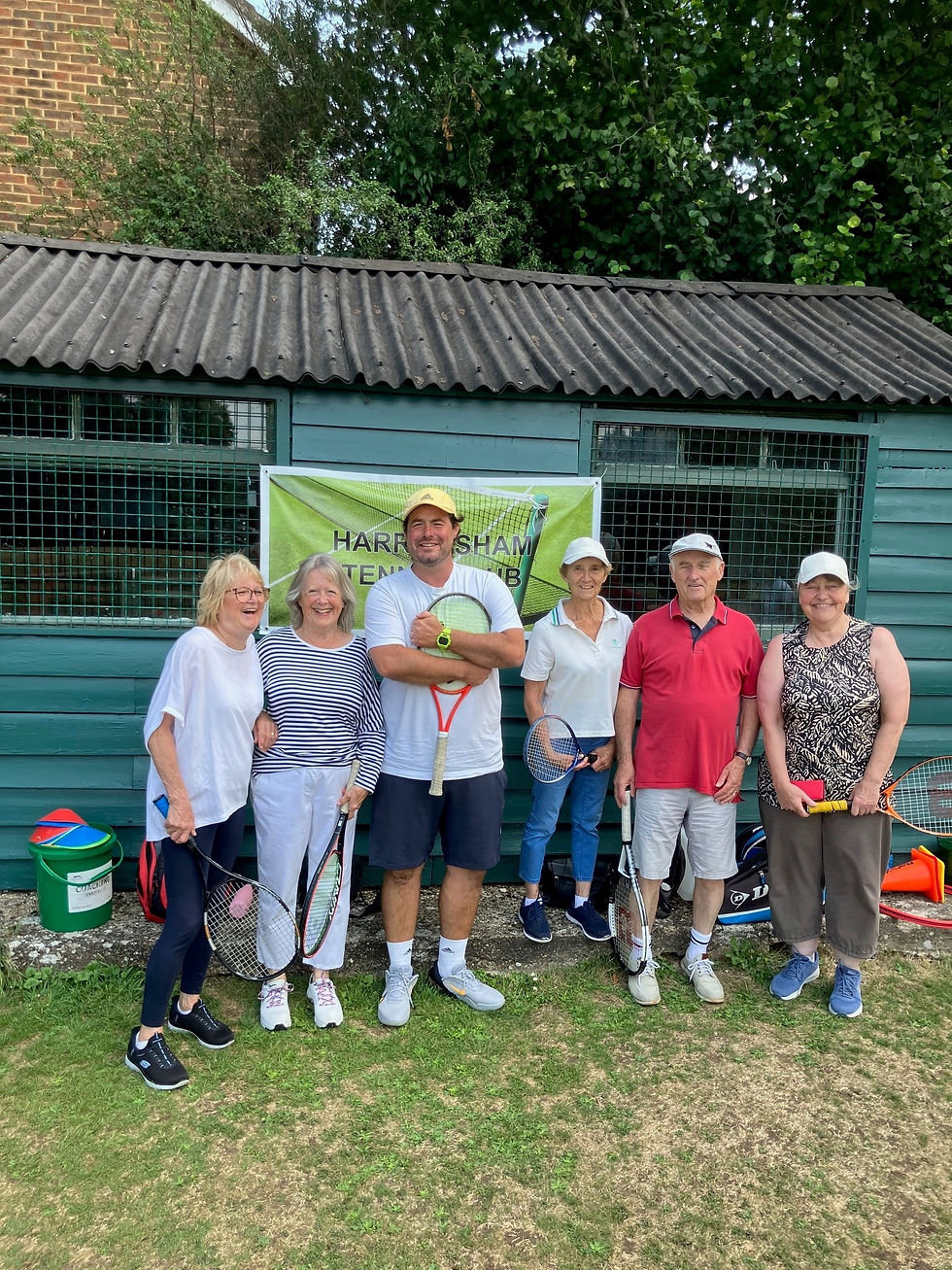
At Kent Tennis, we are making tennis more accessible and welcoming to people across Kent.
Walking Tennis can be a great addition to a club's programme, particularly for clubs looking to introduce new audiences to tennis or provide an alternative way for existing players to stay involved in the sport.
Whether you're completely new to tennis, returning after time away from the court or simply looking for a more relaxed way to play, keep an eye out for Walking Tennis opportunities at clubs and community venues across Kent.
WHY SHOULD TENNIS CLUBS OFFER WALKING TENNIS?
Walking Tennis isn't only an opportunity to make tennis more accessible – it can also bring practical benefits to tennis clubs.
Reach new audiences and generate additional income

Walking Tennis can help clubs reach people who may not currently see themselves as traditional tennis players. This could include older adults, complete beginners, people returning to tennis after injury and people who prefer a gentler form of exercise.
By introducing a new audience to the club, Walking Tennis can create opportunities to attract new members, introduce additional coaching sessions and generate an additional source of income for the club.
It can also provide a pathway for participants to become more involved with other activities at the club over time.
Make better use of off-peak court time
Many Walking Tennis participants are retired or have more flexible daytime schedules. This means sessions can often be scheduled during off-peak periods, when courts may otherwise be underused.
For clubs, this can be a simple way to make better use of existing facilities without competing for the busiest evening and weekend court times.
Keep members playing for longer

Players' needs can change throughout their lives. Someone who has played tennis for decades may eventually find the physical demands of running and jumping too challenging. Similarly, a player recovering from an injury may not immediately be ready to return to traditional tennis.
Walking Tennis gives clubs an opportunity to offer members another way to stay involved.
Rather than someone stopping tennis altogether, they may be able to move temporarily – or permanently – into Walking Tennis while continuing to play, socialise and remain part of their club community.
This can help clubs build a stronger long-term player pathway, where people can continue enjoying tennis at different stages of their lives.
Provide an inclusive offer to the local community
For clubs looking to become more inclusive, Walking Tennis is a relatively simple and low-cost way to introduce an adapted sporting opportunity.

It does not necessarily require new facilities or major investment. Existing courts can be used, while the format can be adapted through changes to the court size, equipment, pace and rules.
Most importantly, offering Walking Tennis sends a clear message that your club is open to people who may not currently feel that traditional tennis is for them.
For clubs in Kent, introducing Walking Tennis can be a practical way to contribute to a more inclusive local sporting offer while also creating opportunities to connect with new members of the community.
Walking Tennis can be a win-win for clubs: an inclusive programme that benefits the community while helping clubs make better use of their facilities, reach new audiences and keep players involved for longer.
GET INVOLVED WITH WALKING TENNIS
Walking Tennis shows that there isn't just one way to play tennis.
Whether you're an experienced player looking for a gentler way to stay on court, a complete beginner, returning from injury or simply looking for an enjoyable way to become more active, Walking Tennis could be for you.
At Kent Tennis, we're working to make tennis and padel more accessible and welcoming to everyone. If you're interested in finding a Walking Tennis session, starting a group or finding out more about inclusive opportunities in Kent, get in touch with your local tennis network or explore the available sessions through the LTA walking tennis finder.


Comments